
Explore what effects underfloor heating costs to make informed choices on system type, size, and controls. Get the best value for your UK underfloor heating project.
Types of Underfloor Heating
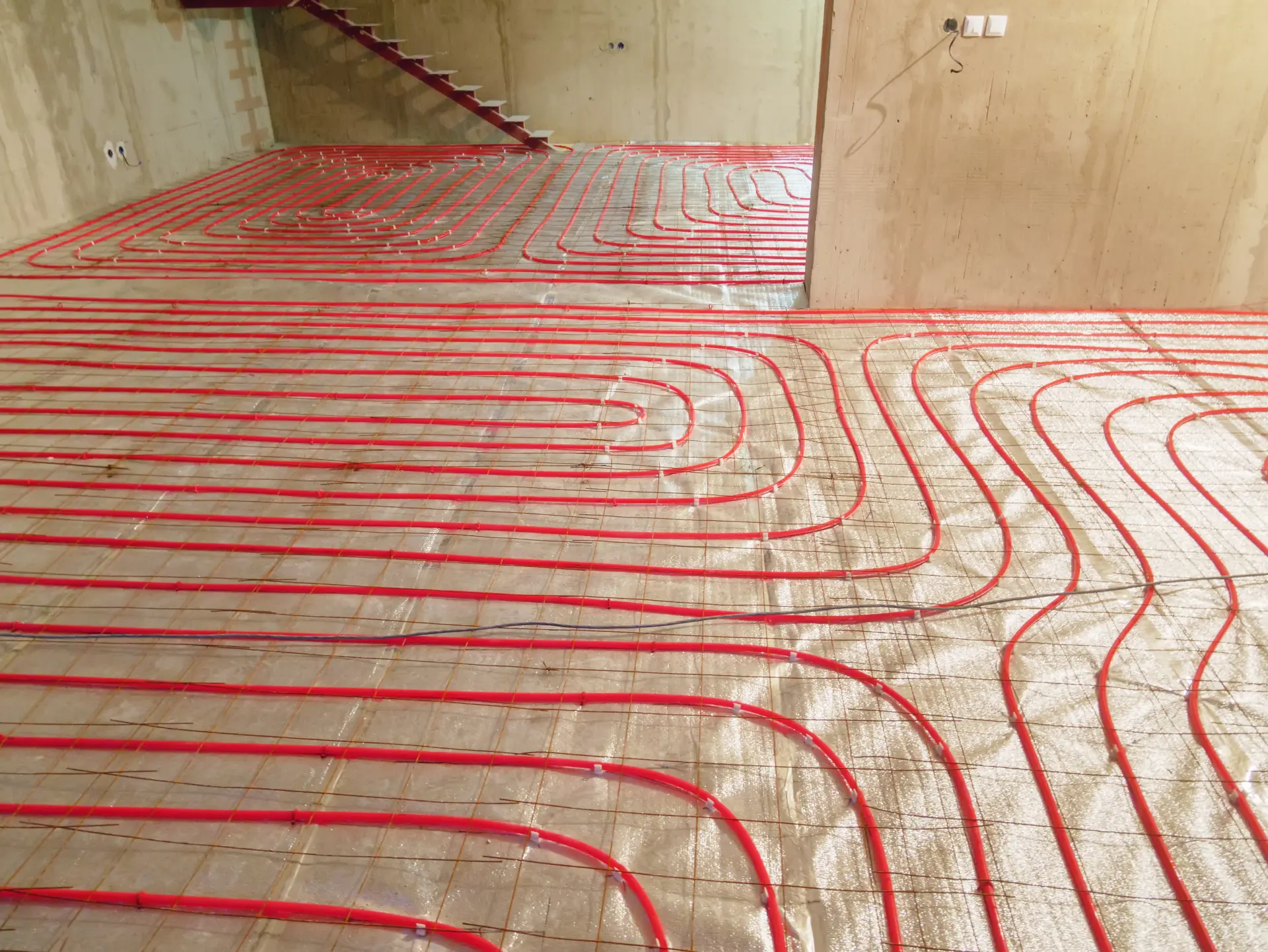
The first big cost factor is whether you choose electric or water-based underfloor heating. Electric systems use heating cables or mats under the floor finish. They are often cheaper to buy and quicker to fit in a single room, but they can cost more to run if used for long periods. Water-based systems use warm water flowing through pipes in the floor, and they are usually better suited to heating larger areas.
Electric underfloor heating costs can change depending on the product and the room type. Mats can be faster to install in simple, open spaces, while loose cable systems can be better for awkward shapes and tight areas. The price also varies with the heating output you need, because higher output systems may use more materials and need stronger controls. Floor finish choices can affect this too, as some surfaces transfer heat better than others.
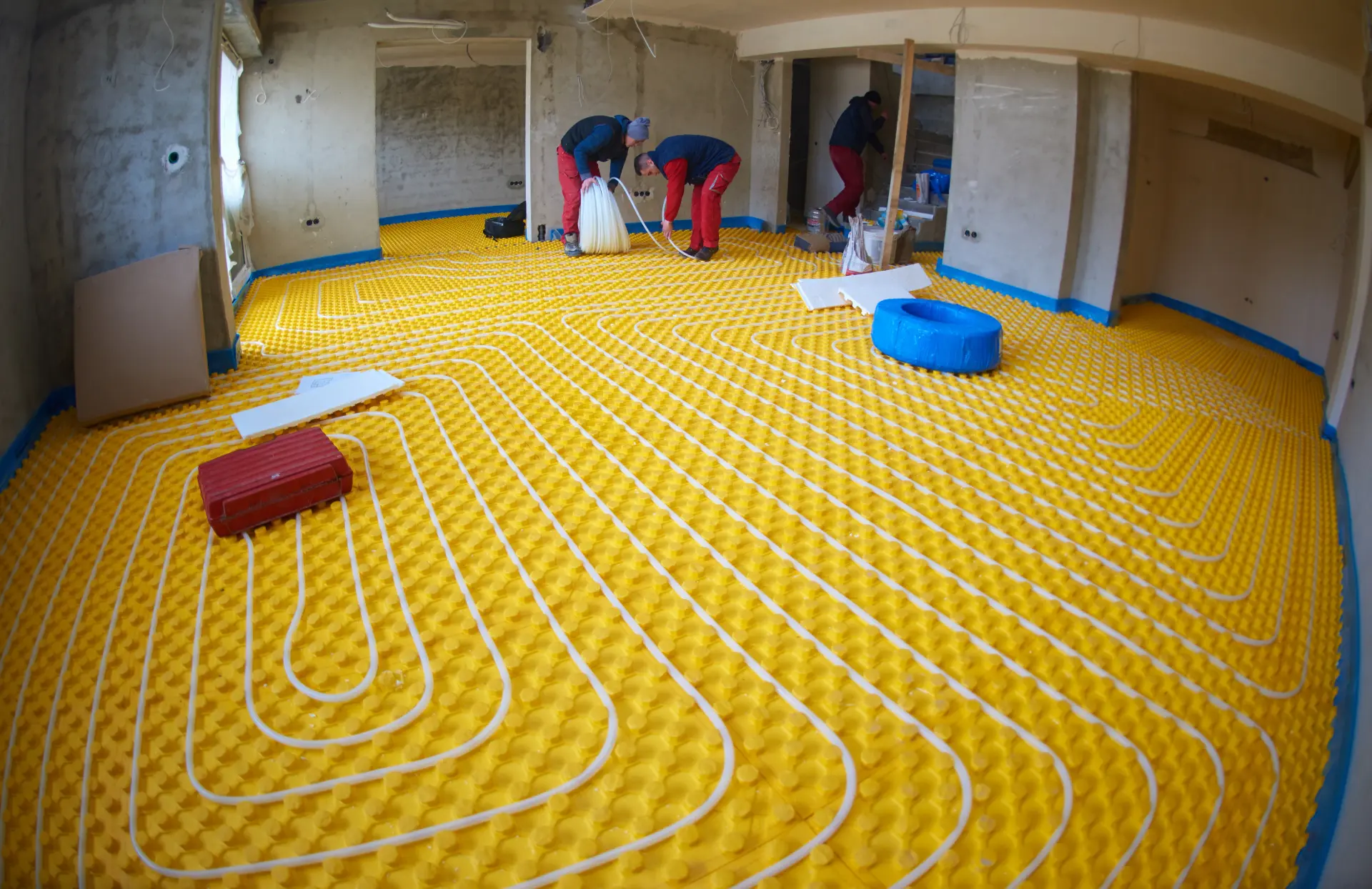
Water-based underfloor heating often has higher upfront costs because it needs more parts. You may need a manifold to control each heating zone, plus pumps, valves, and pipework. The floor build-up can also add costs, such as insulation boards, fixing systems, and screed. Even when the materials are higher in price, the system may offer lower running costs when matched with the right heat source.
The type of heat source in your home can influence the overall cost as well. Underfloor heating works well at lower temperatures, which suits heat pumps and modern boilers set up for efficiency. If your existing heating system is older or not designed for low-temperature heating, changes may be needed to get the best results. These changes can increase the total cost, but they can also improve comfort and reduce wasted energy.
How Many Rooms You Are Heating
The number of rooms makes a big difference because costs rise with floor area and the amount of labour needed. Heating one bathroom is very different from heating a whole ground floor. More rooms mean more heating circuits, more wiring or pipework, and more time spent on planning and installation. Even if the price per square metre drops on larger jobs, the total cost still increases.
Room size and shape also matter. A large open-plan space might be much cheaper to heat per square metre than several small rooms of the same total area. Smaller rooms often need more careful cutting, more turns in cable or pipe, and more work around doorways and corners. Irregular shapes and lots of fixed features, like kitchen units, can also reduce the usable heated area while still adding complexity.
Different rooms usually need different heat outputs. Bathrooms may need a higher output because they usually have harder surfaces, and you want a warm feel underfoot.
Conservatories and rooms with large amounts of glass may lose heat faster, which can require more heating capacity and better insulation. The need for extra output can raise the cost of materials and may require stronger electrical circuits or additional pipe loops.
Zoning across many rooms adds both value and cost. Separate zones let you heat only the rooms you are using, which can cut running costs. However, each zone needs its own thermostat and wiring, and water-based systems may need more ports on the manifold. A well-planned zoning setup can help you avoid wasting heat, but it does add to the installation budget.
New Build vs Retrofit
Underfloor heating can be a little cheaper to install in a new build because the work can be planned from the start. Floors are carefully designed with the right depth for insulation, pipework, and screed without needing to remove anything first.
Installers can match the heating layout to your exact room sizes, window positions, and insulation levels, even before the walls and finishes are completed. This eliminates any disruption and helps the system perform as intended.
A retrofit can cost more because it usually involves working around an existing home. Floors may need to be lifted, doors may need trimming, and skirting boards may need adjusting. If the floor height rises, it can also affect stairs, thresholds, and built in furniture. These extra building tasks can add time and cost beyond the heating system itself.
The type of existing floor construction can change what is possible. Solid floors may need a different approach from suspended timber floors, and each method has its own costs. Sometimes a low-profile system is used to reduce changes to floor height, but these products can be more expensive. In other cases, improving insulation is essential, especially if the old floor allows heat to escape downward.
Retrofit costs also depend on how much of the home you can work on at once. If you are renovating a kitchen or extending the home, it may be sensible to install underfloor heating at the same time. Doing it as part of a larger project can reduce repeated labour and allow better planning. If you fit it room by room over time, you may pay more overall because you repeat setup work and visits.
System Design and Controls
A well-designed system will always cost more upfront, but it usually saves you money in the long run. Heat loss calculations are a good way to help decide how much heat each room needs, which affects pipe spacing, cable layout, and control settings.
If the design is rushed or guessed during the installation process, you can end up with cold areas, overheating, or wasted energy. Paying for proper planning can help avoid expensive fixes later.
Controls are a major part of both comfort and final cost. The most basic systems may use simple thermostats with manual schedules, while more advanced options can use smart controls and app-based settings. Smart controls can help you match heating times to your routine and reduce heat when rooms are empty. The extra cost is usually in the controls, wiring, and setup time rather than the heating elements themselves.
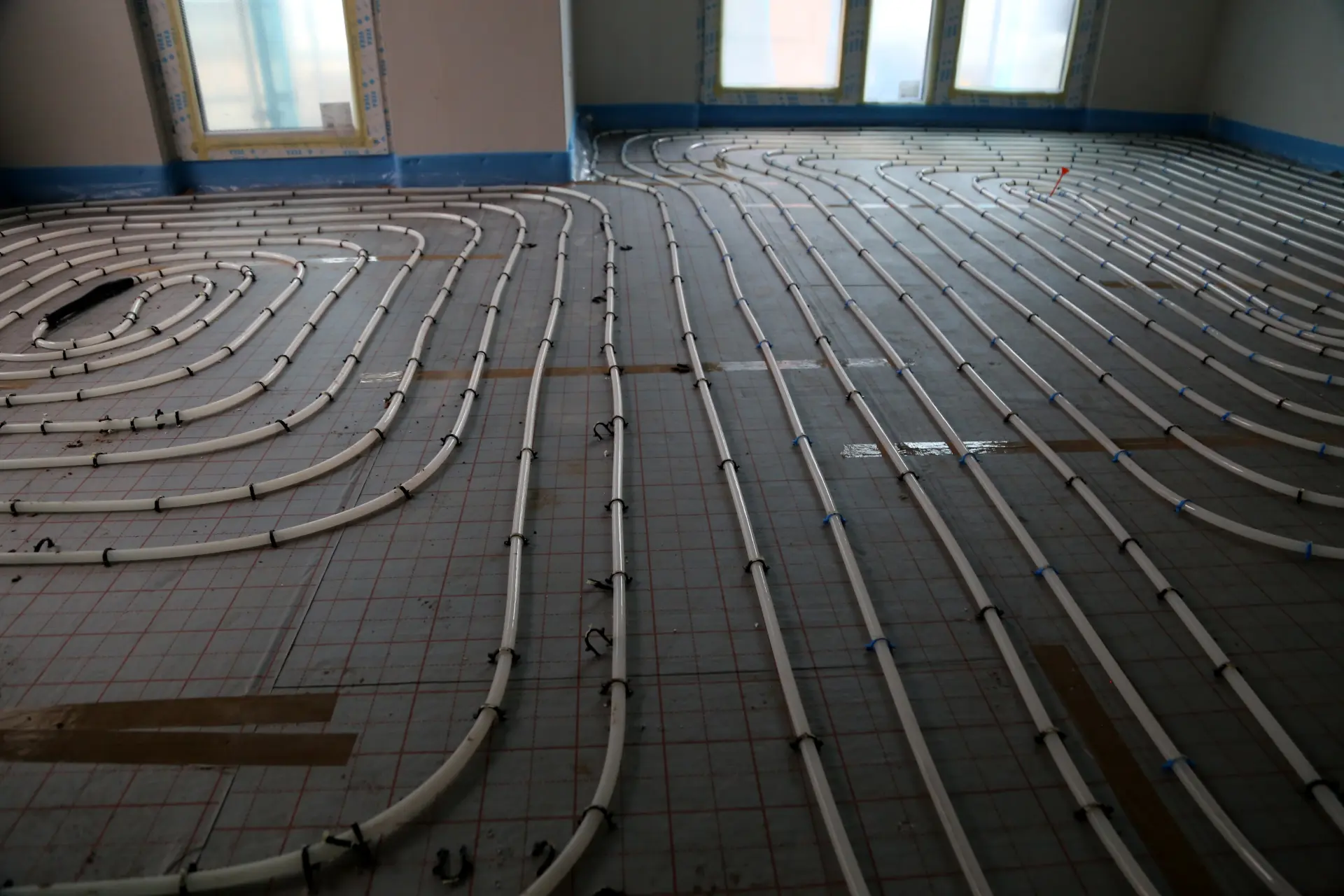
Decisions on zoning also have some effect on the costs, too. More zones mean more thermostats and more wiring, and for water-based systems, it can mean more actuators and a larger manifold.
However, zoning can reduce running costs because you are not heating the whole home equally all the time. The best balance depends on how your household uses each room during the day and week.
The floor build-up is another design aspect that impacts the end cost. Good insulation under the system helps all the heat move upwards, and this improves performance and shortens warm-up times.
The thickness and type of screed, or the use of dry boards, change both price and installation speed. Any design made to suit the floor structure and the room use will help decrease your future running costs; however, it must be chosen carefully.
Electrical Work and Safety Checks
Electrical work can add a noticeable amount to the cost, especially for electric underfloor heating. Each heating zone needs safe wiring to a thermostat and a suitable power supply. Larger areas may require dedicated circuits and changes to the consumer unit. The more zones you have, the more wiring and testing are usually needed.
Bathrooms and wet areas can increase your electrical costs because the safety rules are much stricter. The placement of controls and the type of protection needed can have a large impact on the design and labour time. Materials must be suitable for the environment, and installation needs to follow safe practices. This can mean extra planning and careful routing of cables.
Testing and certification are important and should be included in the budget. Electric systems need proper testing to confirm resistance values and insulation levels, both during installation and after the floor is finished. This helps confirm the system has not been damaged and is safe to use. Any faults found late in the process can be costly because the floor may need to be lifted.
Water-based underfloor heating still needs plenty of electrical work, too. Manifolds often use actuators and pumps, and these need power and control wiring from thermostats. There may also be wiring for a control centre that links zones together. Even though the heat comes from water, the system still depends on safe electrical connections and checks to work reliably.
Do you require underfloor heating installations? We offer services to both domestic and commercial customers Uppingham, Peterborough, Oakham, Stamford and Rutland. Our charges are highly competitive and realistic.
If you are experiencing problems with your central heating, please contact us.