
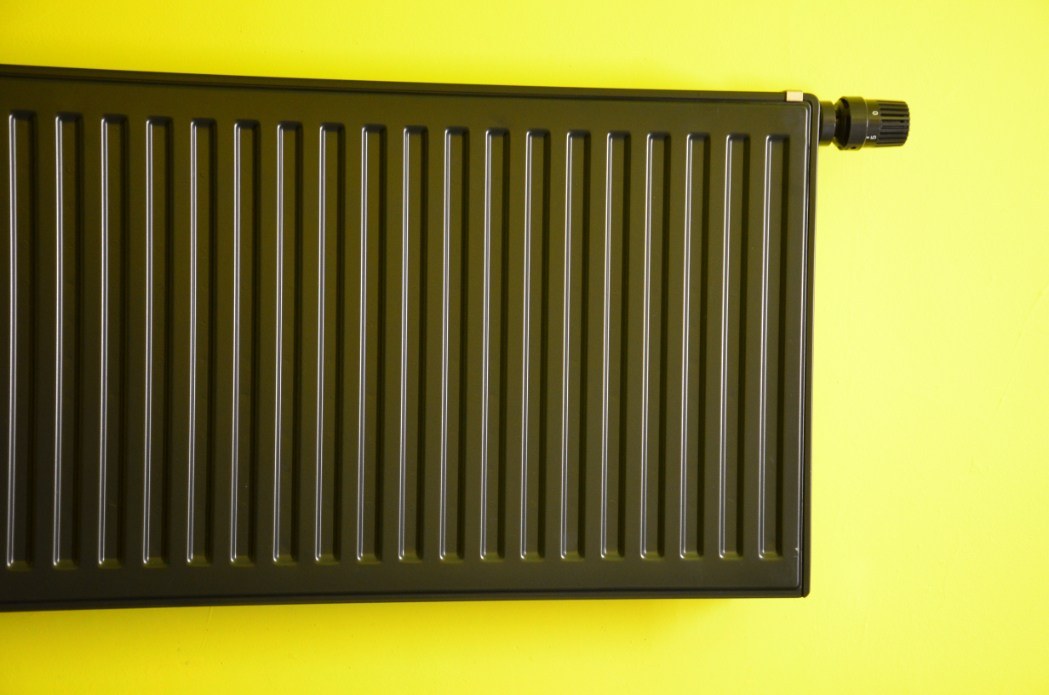
What are common signs that your home radiator needs fixing? Find out more about what to look out for to keep your central heating and radiators working efficiently.
What Are The Signs Of Radiator Problems?
What are the signs of radiator problems? Learn what to look for, what may be causing the issue and when to contact a qualified heating engineer.
Radiators play an important part in keeping your home warm, comfortable and energy efficient. When a radiator stops working properly, the problem may be caused by trapped air, damaged valves, internal corrosion, low boiler pressure or a blockage within the central heating system.
Some radiator problems can be resolved through simple maintenance, such as bleeding the radiator. However, leaks, repeated pressure loss, damaged pipework and serious heating faults should always be checked by a qualified professional.
The Radiator Leaks
A leaking radiator is one of the clearest signs that something is wrong. Water may escape from the radiator body, valves, pipe connections or bleed valve. Even a small leak can damage flooring, walls and nearby furniture when it is left untreated.
Radiator leaks may be caused by loose connections, worn seals, corrosion or cracks within the metal. Older radiators are more likely to corrode, particularly if sludge and untreated water have remained inside the heating system for many years.
A small amount of moisture around a valve may sometimes be caused by condensation. However, a growing damp patch, regular dripping or a puddle beneath the radiator should never be ignored.
Place a towel or suitable container beneath the leak to limit water damage. Avoid tightening valves with excessive force, as this may make the problem worse. A heating engineer can inspect the radiator and decide whether it can be repaired or needs replacing.
The Radiator is Cold
A radiator that remains completely cold while the heating is switched on may have a problem with its valve, water supply or internal circulation. First, check whether the other radiators in the property are heating normally.
If only one radiator is affected, the thermostatic radiator valve may be stuck or closed. The lockshield valve on the opposite side may also be closed. A local blockage caused by sludge, rust or debris could be stopping hot water from entering the radiator.
If every radiator is cold, the problem may relate to the boiler, thermostat, heating controls, pump or system pressure. Check that the boiler is running and that the heating programme and room thermostat are set correctly.
Do not remove valves or open the heating system unless you have the correct training. Contact a qualified heating engineer if the cause is not clear or the radiator remains cold after basic checks.
The Radiator Overheats
A radiator that becomes much hotter than expected may have a faulty thermostatic radiator valve or an issue with the heating controls. The valve may be stuck open, allowing hot water to flow through the radiator continuously.
Check the temperature setting on the valve and lower it gradually. If the radiator remains very hot, the valve may need repairing or replacing. Do not cover an overheating radiator with clothing, towels or other items, as this may reduce airflow and increase the risk of damage.
Very hot radiators throughout the property may suggest a thermostat, control or boiler fault. Arrange a professional inspection if the system does not respond correctly when you adjust the temperature.
The Radiator Takes Too Long to Heat
Radiators should begin warming soon after the heating is switched on. Slow heating may be caused by poor water circulation, trapped air, sludge, incorrect system balancing or a weak central heating pump.
A radiator located furthest from the boiler may naturally take slightly longer to warm. However, a major difference between rooms may mean that the system needs balancing. Balancing controls the amount of hot water flowing through each radiator.
If several radiators take a long time to heat, the system may require professional cleaning or further investigation. Improving circulation can help your home warm more evenly and may reduce wasted energy.
The most common signs of radiator trouble include leaks, cold areas, slow heating, strange noises, visible corrosion and poor temperature control. The exact cause will depend on the design, condition and age of your central heating system.
Acting early can prevent a small fault from becoming a more serious and expensive problem. Stop using the heating and seek professional advice if you notice a major leak, burning smell, damaged electrical controls or signs of serious boiler trouble.
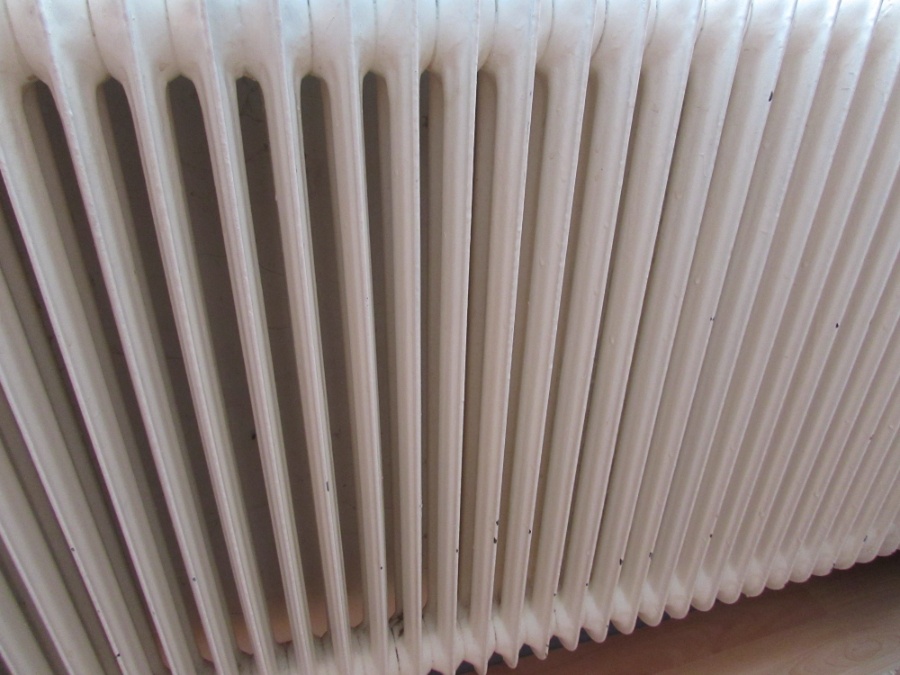
Common Problems With Radiators Not Working Properly
The location of the cold area can provide useful information about what is wrong with a radiator. Before carrying out any checks, allow the system to cool and take care around hot water, valves and metal surfaces.

My radiator is cold at the bottom but hot at the top
A radiator that is cold at the bottom but hot at the top is often affected by sludge, rust or debris. The material settles at the bottom of the radiator and stops hot water from circulating properly.
A heating engineer may recommend removing and cleaning the affected radiator. If several radiators have the same problem, the central heating system may require a chemical clean or power flush.
After cleaning the system, an inhibitor may be added to the water. This helps reduce future corrosion and slows the formation of sludge. Regular system checks can also help identify circulation problems before they cause permanent damage.

My radiator is cold at the top but hot at the bottom
If the top of a radiator remains cold while the bottom becomes warm, trapped air is the most likely cause. Air collects at the highest point and prevents hot water from filling the whole radiator.
The problem can often be resolved by bleeding the radiator with a radiator key. Switch the heating off and allow the radiator to cool before opening the bleed valve slowly.
Close the valve as soon as water begins to appear. After bleeding the radiator, check the boiler pressure and follow the manufacturer’s guidance if it needs topping up.

My radiator is not getting hot
If the heating is on and other radiators are working normally, check that both valves on the affected radiator are open. A thermostatic radiator valve may become stuck after being left closed for a long period.
Sludge, corrosion or a blocked pipe may also prevent hot water from entering the radiator. If several radiators are affected, the boiler pressure, pump or central heating controls may be responsible.
Contact a qualified heating engineer if simple checks do not restore the heat. Avoid dismantling a radiator or valve without suitable experience.

My radiator is making strange or loud noises
Quiet clicking or ticking is often caused by metal expanding and contracting as the radiator heats and cools. Similar sounds may come from pipes beneath the floorboards.
Gurgling usually suggests that air is trapped inside the radiator. Bleeding the radiator may resolve the problem. Whistling may be caused by water moving too quickly through a partly closed valve.
Banging, knocking or clanking may be caused by loose pipes, poor water circulation, pressure changes or a problem with the boiler or pump. Persistent or very loud noises should be investigated, particularly if they occur alongside pressure loss, leaks or uneven heating.
One Radiator Is Hotter Than the Others
A radiator that is much hotter than the others may be receiving too much water. The heating system could be unbalanced, or the thermostatic valve may not be controlling the temperature correctly.
Check the valve setting first. If adjusting it does not help, a heating engineer can balance the system and inspect the valve for damage.
Several Radiators Have Cold Patches
Cold patches across several radiators often point to poor circulation or a build-up of sludge. This is especially common in older heating systems that have not been cleaned or treated.
The system may need flushing, balancing or treatment with an inhibitor. A professional can recommend the correct option after checking the condition of the water and radiators.
Other Signs Your Radiator May Need Repairing
Rust, Corrosion or Flaking Paint
Rust on the radiator surface may indicate a long-term leak or moisture problem. Small surface marks can sometimes be cleaned and treated, but deep corrosion may weaken the metal and lead to a water leak.
Damaged or Stiff Radiator Valves
Radiator valves should turn without excessive force. A valve that is stuck, leaking or unable to control the temperature may need repairing or replacing. Do not force a stiff valve, as this may damage the internal parts.
Repeated Boiler Pressure Loss
If your boiler pressure drops repeatedly, water may be escaping from a radiator, valve or hidden pipe connection. Re-pressurising the boiler may only provide a temporary solution if the leak is not repaired.
Unusually High Heating Costs
Radiators that heat unevenly or take a long time to warm can make the boiler work harder. This may increase energy use because the heating remains on for longer before the property reaches a comfortable temperature.
The Room Never Reaches the Correct Temperature
A radiator may feel warm but still fail to heat the room properly. It could be too small for the space, blocked by furniture, filled with sludge or affected by poor water circulation.
How to maintain the radiators in your home
Regular radiator maintenance can improve comfort, reduce wasted energy and lower the risk of sudden faults. Many basic checks only take a few minutes, although repairs and work involving the boiler should be completed by a qualified professional.
Bleed Cold Radiators
Bleed a radiator when the top remains cold but the bottom is warm. Always switch the heating off first and allow the radiator to cool. Use a radiator key and keep a cloth nearby to catch any water.
Check for Leaks
Inspect the radiator body, valves and pipe connections for damp areas, rust or water marks. Finding a small leak early can help prevent damage to flooring and decoration.
Keep the Area Clear
Avoid placing large furniture directly in front of radiators. Curtains, radiator covers and drying clothes can also restrict heat from moving around the room.
Clean Dust and Dirt Away
Dust can collect behind, beneath and between radiator panels. Use a suitable radiator brush or vacuum attachment when the radiator is switched off and completely cool.
Use Thermostatic Valves Correctly
Set each thermostatic radiator valve according to how the room is used. Bedrooms may require a lower setting than living areas. Turning the valve to its highest setting will not make the room heat faster.
Run the Heating Occasionally During Warmer Months
Switching the heating on briefly from time to time can help stop pumps and valves from becoming stuck after long periods without use.
Arrange Regular Boiler Servicing
The boiler, controls, pump and radiators work as one system. Regular servicing can identify faults that may affect heating performance, safety and energy use.
Consider System Cleaning
If radiators repeatedly develop cold areas or the heating water is dark, the system may contain corrosion and sludge. A trained engineer can advise whether chemical cleaning or power flushing is suitable.
Should You Repair or Replace a Radiator?
A repair may be suitable when the issue involves a valve, loose connection, trapped air or a minor circulation problem. Replacement may be more practical when the radiator is badly corroded, cracked, repeatedly leaking or too small for the room.
Newer radiators may also provide better heat output than older models. A heating engineer can calculate the required radiator size and check that the boiler and pipework are suitable.
Replacing one radiator does not always mean that every radiator in the property needs changing. However, the condition and performance of the full system should be considered before work begins.
When Should You Contact a Heating Engineer?
Contact a qualified heating engineer when a radiator is leaking heavily, badly corroded, making loud repeated noises or failing to heat after basic checks. You should also request help if the boiler regularly loses pressure or several radiators stop working at the same time.
Any work involving a gas boiler should be completed by a Gas Safe registered engineer. Do not remove boiler covers, alter gas components or attempt repairs that require specialist training.
Turn the heating off and seek urgent advice if you notice a burning smell, smoke, water near electrical equipment or a serious leak that cannot be controlled.
Frequently Asked Questions About Radiator Problems
How Often Should Radiators Be Bled?
Radiators should be bled when the top feels cold while the bottom is warm. Some systems may need bleeding once or twice a year, while a sealed and well-maintained system may require it less often.
Why Does My Radiator Keep Filling With Air?
Repeated air build-up may indicate a leak, pressure problem, corrosion issue or fault elsewhere in the heating system. Arrange an inspection if the same radiator needs frequent bleeding.
Can a Leaking Radiator Be Repaired?
Some valve and connection leaks can be repaired. A radiator with severe corrosion or a cracked body will normally need replacing.
Why Is My Radiator Hot When the Heating Is Off?
A radiator that remains hot may have a faulty valve or heating control. The boiler controls, motorised valve or thermostat may also require attention.
Is a Noisy Radiator Dangerous?
Most quiet clicks and ticks are harmless. Persistent banging, loud knocking or noises combined with leaks and pressure loss should be checked by a professional.
How Long Should a Radiator Last?
The lifespan of a radiator depends on its material, water quality and system maintenance. Well-maintained radiators may last for many years, while corrosion and untreated sludge can shorten their useful life.
Do you require radiator repair or central heating servicing? Robert Cliff Ltd provides heating services for domestic and commercial customers across Uppingham, Oakham, Stamford and Rutland. Contact the team if your radiators are leaking, cold, noisy or heating unevenly.