

We look at the signs that your boiler needs repairing and how to decide between boiler repair and replacement. When your heating system is not working as it should, it can affect your comfort, your safety and your energy bills.
In this guide we explain the main warning signs that your boiler needs repair, the most common problems that affect boilers, and when it may be time to consider a new boiler that is more energy efficient. Like any appliance in your home, your boiler works hard all year to keep your home warm and provide hot water.
Paying attention to unusual noises, leaks, changes in water pressure and rising heating bills can save you money in the long run and help to keep your home warm and safe.
How much does boiler repair cost?
Boiler repairs can indeed appear daunting and costly. Many people might be tempted to ignore minor issues and wait to see if they go away. However, untreated faults can grow into more serious problems over time. These may require more intensive work and higher repair costs. In the UK, the price to fix a boiler can vary widely, typically ranging from about £150 to £400, depending on the type of unit and the work needed.
This variation is mainly due to the severity of the boiler's problems and the parts needed to fix them. Some boilers may only need a small adjustment, a new seal or a sensor. Others might need a new pump, fan or heat exchanger, which will increase the cost of repairs. The age of the appliance and your fuel type can also affect the price.
Regular service every year is an essential preventive step that can help keep your boiler efficient.
By booking a routine boiler service, a professional can check safety features, look for leaks, test the boiler pressure, and make sure the boiler could cope with winter usage. These checks help find minor issues before they cause more serious damage.
This proactive approach not only saves you money over the long run but also helps to increase the lifespan of your boiler. If you notice any warning signs that your boiler needs repair, do not delay.
Contact a professional heating engineer or Gas Safe registered engineer for advice. They can check the status of your heating system, explain what has caused the issue and give you a clear quote for the work.

Signs that your boiler needs repairing
Is your home not feeling as warm as it should? Are you hearing strange noises coming from your boiler? These could be signs that your boiler needs repairing. Uneven heating, unusual noises, frequent breakdowns, low pressure, unusual smells and a rise in energy bills are all signs that your boiler may need attention.
Uneven heating and cold radiators
Uneven heating throughout your home can be a real problem, especially during the colder months. You might notice that some rooms feel warm and comfortable while others stay cold. Sometimes radiators feel warm at the bottom but cold at the top. This could mean there is air trapped in the system or sludge build up that affects efficiency.
Radiators that gurgle, hiss or stay stubbornly cool even after you bleed them are a clear sign that something is wrong with the central heating system. It could be a circulation issue, a problem with the pump or blockages in the pipes. If you notice these signs, it is important to book a boiler repair or heating engineer visit, so the problem can be checked and fixed before it leads to further damage.
Strange and unusual noises
Another common sign of a problem is unusual noises coming from your boiler or the pipes around your boiler. A healthy boiler is not silent, but if it suddenly sounds like it is grumbling or making strange noises you have not heard before, that is a clear warning sign.
Noises that sound like banging, clanking, gurgling or whistling can all point to issues inside the system. Banging whistling sounds may mean limescale, trapped air or a failing pump. Gurgling can indicate air trapped in the system or low water pressure. These issues are not normal and should not be ignored. Over time they can lead to damage to the heat exchanger or other internal parts, which can be expensive to replace.
If your boiler keeps making these sounds frequently or they grow louder, contact a professional for a check. Tackling the issue in good time could mean a simple fix rather than a full replacement later.
Low pressure and hot water problems
Water pressure is very important for both your hot water and central heating. Most boilers have a small gauge on the front to show the level of pressure in the system. If you see low pressure on the gauge or you have low water pressure at the taps, your boiler may not be able to produce enough hot water or heat for your home.
A single drop in pressure can sometimes be normal, for example after you bleed the radiators. However, if low pressure is a regular issue or the boiler keeps dropping into low pressure status, this could mean a leak, a faulty valve or another internal problem. You may also notice that your hot water runs hot, then cold, or that the boiler keeps turning off when you run a bath or shower.
If your home often runs out of hot water, or if the water is not as warm as usual, it could mean your boiler needs repair or that it is becoming less efficient. A registered engineer can test the pressure, check for water leaks and fix any damaged parts so that your heating and hot water work as they should.
Changes to the boiler flame and smells
The colour of your boiler flame is another important sign to keep in mind. On a gas boiler, the boiler flame or pilot light should usually burn a steady blue colour. If you notice that the flame is yellow or orange, or if it keeps going out, this could mean a serious problem.
A yellow or orange flame can be a sign of poor combustion. In some cases it could mean that your boiler may be producing carbon monoxide, which is very dangerous. Carbon monoxide is a gas that you cannot see or smell, but it can cause serious illness and can be life threatening. It is essential to have a working carbon monoxide alarm fitted near your boiler and around your boiler area.
If you ever notice soot around the boiler, a strong gas smell, burning smells or a metallic odour, turn the boiler off, open windows, leave the property and contact the gas emergency number and a Gas Safe registered engineer straight away. Never leave a suspected gas leak or carbon monoxide risk. This situation needs urgent professional attention to ensure everyone in the home is warm and safe.
Frequent breakdowns and resets
If your boiler keeps turning itself off or needs frequent resets, this is another strong sign that something is wrong. Modern boilers have safety features that shut the appliance down if a fault is detected. While this helps to keep your home safe, it also means that frequent breakdowns or lockouts are problems that need to be addressed.
You might find that you are pressing the reset button more often, or that the boiler starts, runs for a short time and then shuts down again. This pattern could mean problems with sensors, the fan, the heat exchanger or the control board. It might also be caused by low pressure or water flow issues.
Frequent breakdowns will not usually improve on their own. Instead they are a clear sign that your boiler needs repair, or that it is nearing the end of its lifespan and you may soon need a replacement. Fixing the underlying issue can save you money on emergency call outs and keep the heating running when you need it most.
Rising energy bills and reduced efficiency
Another sign that your boiler needs attention is a sudden or steady increase in energy bills or heating bills, even if your usage has stayed the same. As boilers age, they can become less efficient. An inefficient boiler needs more fuel to produce the same level of heat, which will increase the cost of running your heating system.
If you notice that your home takes longer to feel warm, or that the boiler runs for a long time to keep your home warm and comfortable, your boiler may be working harder than it should. Over time, parts wear out and efficiency drops. In this case, boiler repair may help for a while, but it might also be time to consider investing in a new boiler that is more energy efficient.
A modern, efficient boiler can save you money on energy bills in the long run, improve comfort and reduce the risk of breakdowns. For many homeowners, a new boiler can be worth the cost, especially if the old one is having frequent problems.
Boiler repair or replacement: which is best for me?
Every homeowner is faced with the repair versus replacement question at some point. This often happens when they see several signs that their boiler needs repair within a short period. To decide what is best, it is helpful to look at the age of the boiler, the cost of repairs, and how efficient it is.
As a general guide, the lifespan of most boilers is around 10 to 15 years if they are serviced regularly. If your boiler is less than 10 years old and has not had many issues, it may make sense to repair it, especially if the cost of repair is less than half the price of a new boiler. A professional heating engineer can help you find the most sensible option at this point.
If your boiler is in the 10 to 15 years range, or older, and you have frequent breakdowns, leaks or noises, then it is time to consider replacement. An older boiler that keeps failing can be more costly to run and repair over the long term. It may also be less efficient and could lack modern safety features.
Replacing an old boiler with a new boiler can feel like a big step, but an efficient boiler can save you money each year on fuel and maintenance costs.
A modern, energy efficient boiler with the right output for your home can increase comfort, keep your homes warm, and provide peace of mind. Over the long run, investing in replacement rather than paying for repeated repairs can work out cheaper.
If you are looking at finance options to replace your boiler, keep in mind that any credit lender you use should usually be authorised and regulated by the Financial Conduct Authority.
Their status should make clear if they are regulated by the financial authorities. Details such as authorised and regulated by the Financial Conduct Authority and rights reserved are often set out in the small print, and they explain how the finance product works.
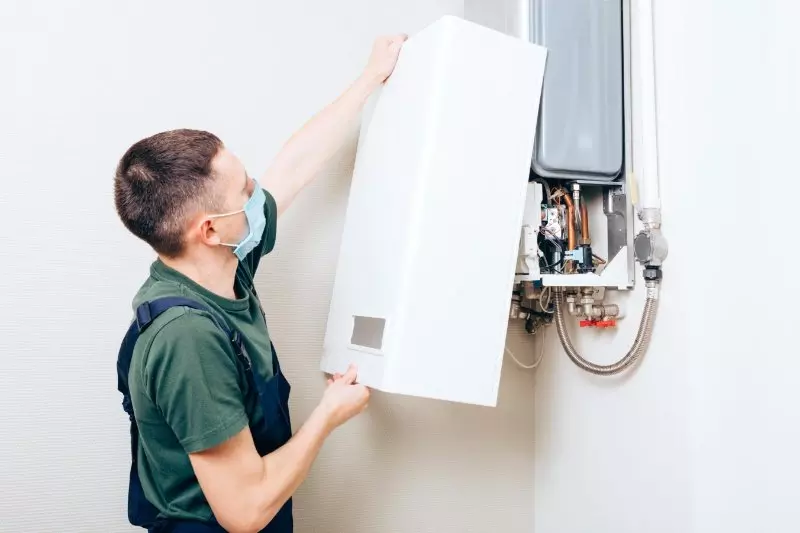
The most common causes of boiler breakdowns
Boiler breakdowns are some of the most inconvenient issues that homeowners face, and understanding the causes can help you spot problems early.
Water leaks
Leaks are one of the most common problems. You might notice water leaking from pipes, joints or from underneath the boiler unit. Even a small leak can cause damage if it is left for a long time. It can lead to rust, electrical faults or low pressure in the system.
Water leaks do not only waste water. They can also damage flooring, walls and cupboards around your boiler and may affect the efficiency of the system. A leak might be caused by a worn seal, corrosion, a faulty pump or a crack in the heat exchanger. All of these issues need prompt repair by a professional.
Pressure problems
Pressure problems are another frequent cause of boiler issues. Low pressure or low water pressure can stop your central heating from working as it should. High pressure can also cause damage and may lead to leaks.
Your boiler may show an error code or a flashing light if the pressure is not within the normal range. You might notice that radiators are not heating up, the boiler keeps switching off, or hot water is weak at the tap. While it is sometimes safe to top up the pressure yourself, repeated pressure loss is a sign of a deeper problem that needs a professional to fix.
Pump failures and circulation faults
The pump is responsible for moving hot water around your central heating system. If the pump fails, you may hear unusual noises, and you might notice that some radiators stay cold while others are warm. This leads to uneven heating and discomfort around the home.
Pump problems can be caused by age, sludge build up, or running the system with the wrong pressure or temperature for a long period of time. Replacing a faulty pump can restore efficient circulation and help to protect the rest of the boiler.
Component wear and electrical faults
As boilers age, electrical parts such as fans, sensors, timers and control boards can fail. You may notice the boiler does not turn on when it should, or it may shut down without warning. In some cases, the pilot light or ignition system may fail, and the boiler may not light at all.
Because these parts help control safety features, they should only be checked and replaced by a Gas Safe registered engineer or other qualified professional. Trying to repair internal components yourself can be dangerous and may cause more damage to the appliance.
How to prevent my boiler from short-cycling?
Short cycling is a common issue where your boiler switches on and off rapidly in short periods of time. This makes the system less efficient and can increase wear and tear on internal parts. Short cycling over a long time can reduce the lifespan of the boiler and increase the cost of future repairs.
Regular servicing is one of the best ways to prevent short cycling. A yearly service helps to keep the boiler clean, check safety features and make sure the system is set up correctly for your home. The engineer can address small problems before they affect efficiency.
It is also important to have the right type and size of boiler for your property. A boiler that is too large for the home can produce more heat than needed, so it reaches temperature too quickly and then shuts down. This constant turning on and turning off leads to short cycling. A boiler that is too small, on the other hand, may struggle to heat the home, leading to longer run times and cold spots.
Good insulation is another key factor. If your home holds onto heat, your boiler will not need to work as hard to keep you comfortable. That can save you money on energy bills and reduce strain on the system. Simple steps such as fitting draught excluders, loft insulation and cavity wall insulation can support an efficient boiler and help to keep your home warm and safe.
Keeping your boiler safe and efficient
Keeping your boiler in good condition is essential for comfort and safety. Regular checks around your boiler can help you notice issues early. Look for any signs of rust, water stains, damp patches or damage near the pipes. Listen for sounds like banging or gurgling that are not part of the usual running sounds. Notice if the boiler status lights change colour or start to flash more often.
An annual boiler service by a Gas Safe registered engineer is very important. During a service, they will check the boiler flame, flue, safety devices, pressure levels and ventilation around the appliance. This helps to ensure the boiler works safely and efficiently through the year.
If you are a landlord or you let out your home, regular gas safety checks are not only sensible but also regulated by law. Your tenants have the right to live in a home that is warm and safe, with a heating system that works properly.
When to contact a professional
If you notice any of the warning signs in this guide, it is important not to wait. Small issues can quickly become serious problems that are more costly to fix. If your boiler needs repair, contact a professional as soon as possible.
You should contact a Gas Safe registered engineer or qualified heating engineer if:
- You notice yellow or orange flames, or your pilot light keeps going out
- Your boiler keeps breaking down or resetting
- You hear strange noises that sound like banging or whistling
- You can smell gas or burning, or suspect carbon monoxide
- You see water leaks, rust or visible damage around the boiler
A professional can assess the boiler, explain whether a repair or replacement is best, and give you a clear quote. They can also advise on energy efficient options if you choose to replace your boiler. This advice can save you money and give you peace of mind that your heating system is safe.
If you need help, you can contact us at Robert Cliff Ltd to discuss your boiler problems and book a suitable time for a visit. Our team can help you find the right solution, whether that is a simple repair to fix a single issue or support in planning to replace your boiler with a modern, efficient model.
This guide is for general information only and does not change any of your consumer rights reserved by law. For tailored advice about your own boiler or heating system, always speak to a qualified, regulated professional.
Do you require radiator and heating servicing? We offer services to both domestic and commercial customers Uppingham, Oakham, Stamford and Rutland. Our charges are highly competitive and realistic. If you are experiencing problems with your central heating - Please contact us.