
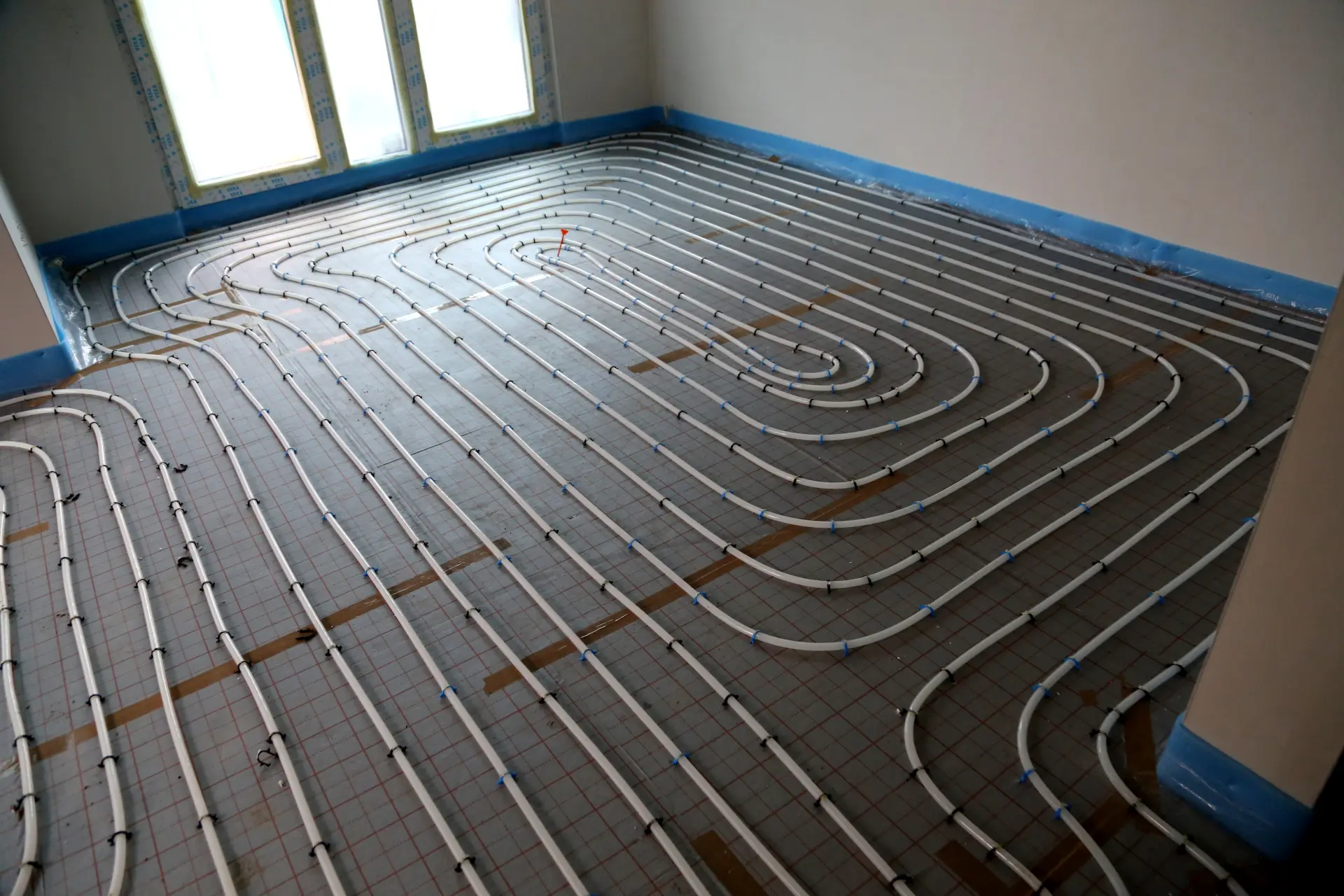
Need to decide between choosing underfloor heating vs radiators? Explore their differences, installation costs, running expenses, and suitability for your home.
Warm Up Time and Temperature Control
Underfloor heating typically warms a room more slowly than radiators. The heat has to travel through the floor finish and then rise gently into the space. This can feel very comfortable, but it means you may need to plan ahead, especially on cold mornings. Radiators heat the air near them quickly, so you often notice the change sooner.
Temperature control can feel different, too. Underfloor heating gives an even warmth across the whole room, with fewer hot and cold spots. As the heat comes from a large surface area, it tends to stay steady once it reaches the temperature you want. Radiators can create warm areas near the radiator and cooler areas further away, which may matter in larger rooms.
How you like to use your home matters. If you want fast changes, such as heating a room for a short time, radiators can suit that style. If you prefer a slow, steady background warmth through the day, underfloor heating often matches that better. Either system can be zoned, but underfloor heating is commonly set up with separate zones for different rooms.
Controls also depend on the system type. Electric underfloor heating can respond much faster than water-based systems because it heats your flooring more directly. Water-based underfloor heating usually needs lower temperatures and longer run times to work properly and be effective. Radiators work well with thermostatic radiator valves and modern smart controls, but you still need to balance the system so each radiator heats as intended.
Running Costs and Energy Use
Running costs tend to depend on your current heat source, how well your home holds the heat, and how you use your heating system. Underfloor heating often runs at lower water temperatures than radiators, which can help with efficiency when paired with a heat pump.
Lower flow temperatures are great because they reduce any wasted energy and make it cheaper to maintain a steady warmth. Radiators usually need hotter water, which can be less efficient with some modern systems.
Electric underfloor heating is different. It is simple to fit in small areas, but electricity often costs more per unit than gas. That can make it expensive if you use it as the main heating for large spaces. However, it can be cost-effective in rooms you heat for short periods, such as a bathroom, where timed use keeps energy use under control.
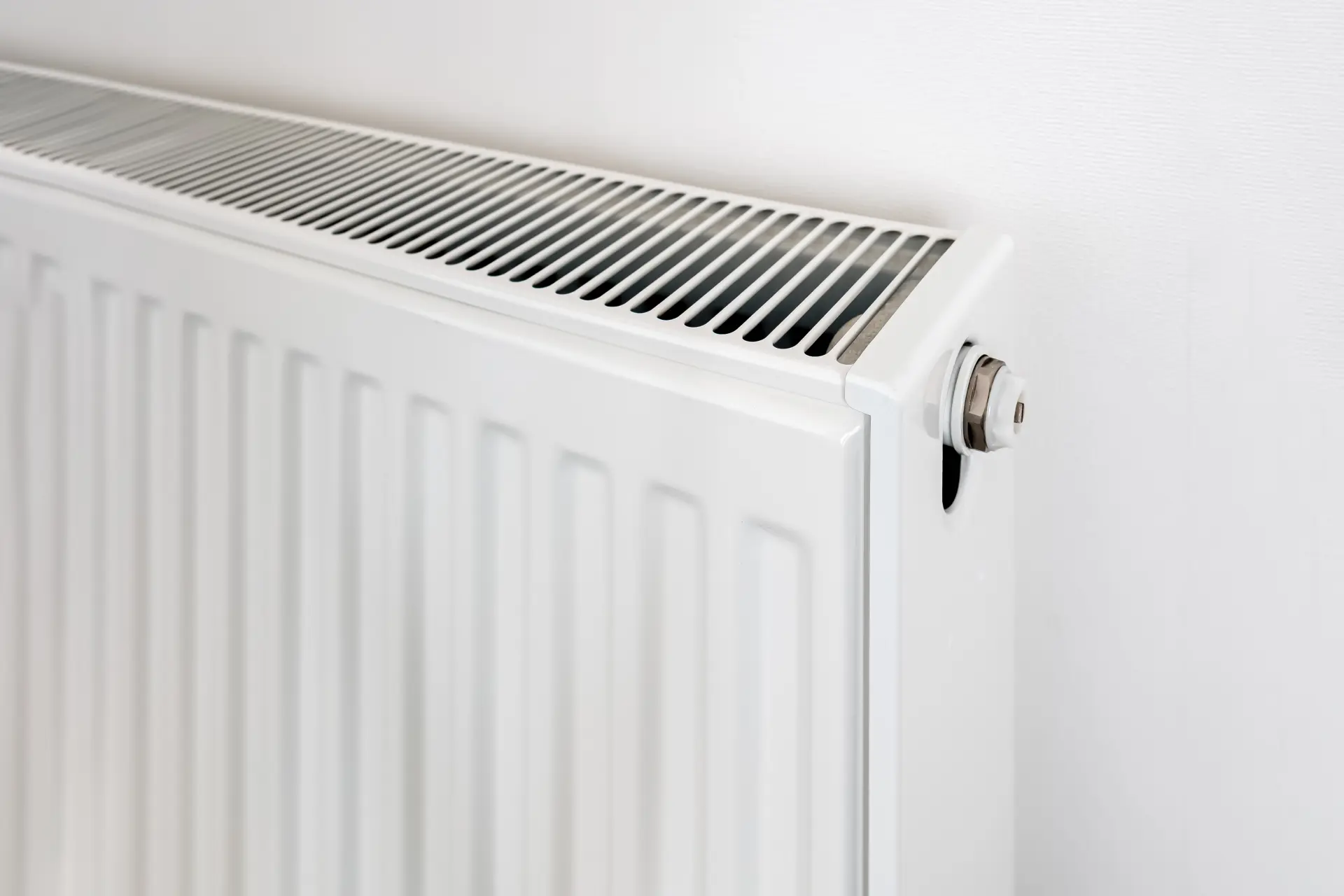
Radiators can be quite economical in many homes, especially when used with a modern boiler and good controls. They can heat up quickly, so you can avoid running them for long hours if you only need warmth at certain times.
If your home has rooms that are rarely used, radiators make it easier to keep those spaces cooler without affecting the rest of the house.
Insulation and floor finishes play a big part in underfloor heating. A well-insulated floor helps keep heat from moving down into the structure.
Thick carpets and heavy underlay can slow heat transfer, which may push you to run the system for longer. Radiators are less affected by flooring, but poor insulation still leads to higher bills, no matter which system you choose.
Upfront Costs and Installation
Underfloor heating usually costs a lot more to install than radiators, especially in existing homes. It may involve lifting floors, adding insulation boards, and adjusting doors due to the raised floor height. Water-based systems can also need new pipework, a manifold, and sometimes changes to your boiler or heat pump setup. The work can be more disruptive and can take longer.
Electric underfloor heating can be cheaper and easier to install than water-based underfloor heating. It often comes as mats or loose cables that fit under tiles or other finishes. This can be a good option during a room refurbishment, where the floor is already being replaced. Even so, you still need proper preparation of the subfloor to avoid weak spots and poor heat spread.
Radiators tend to be simpler and quicker to fit. If there is already pipework in place, replacing old radiators can be straightforward, and the rest of the room may need little change. Adding new radiators to a different location can still mean chasing pipes into walls or floors, but it is usually less invasive than installing underfloor heating across a whole level.
Your installation choices also impact how flexible it is as time goes by. Underfloor heating is hidden and relatively permanent, so changing layouts later can be harder. Radiators are visible around your property and can be moved more easily if you choose to remodel a room. If you’re planning for future renovations, it is worth thinking about whether you would prefer a system that is fixed in place or one that can adapt.
Space, Layout, and Interior Design
Underfloor heating frees up wall space because there are no radiators taking up room. This can make furniture placement easier, especially in smaller rooms where every bit of space counts. It also allows you to use more glass, such as large doors or low windows, without needing to keep a section of wall clear for a radiator. For open plan layouts, it can help the room feel more open and tidy.
Radiators also limit where you can place sofas, beds, and cupboards in your property. You need to leave space so heat can circulate, and you should avoid blocking them with large furniture. In some rooms, this is not a problem, but in tight spaces, it can limit your options. On the other hand, radiators can be chosen to suit a style, including slim designs, vertical models, and decorative finishes.
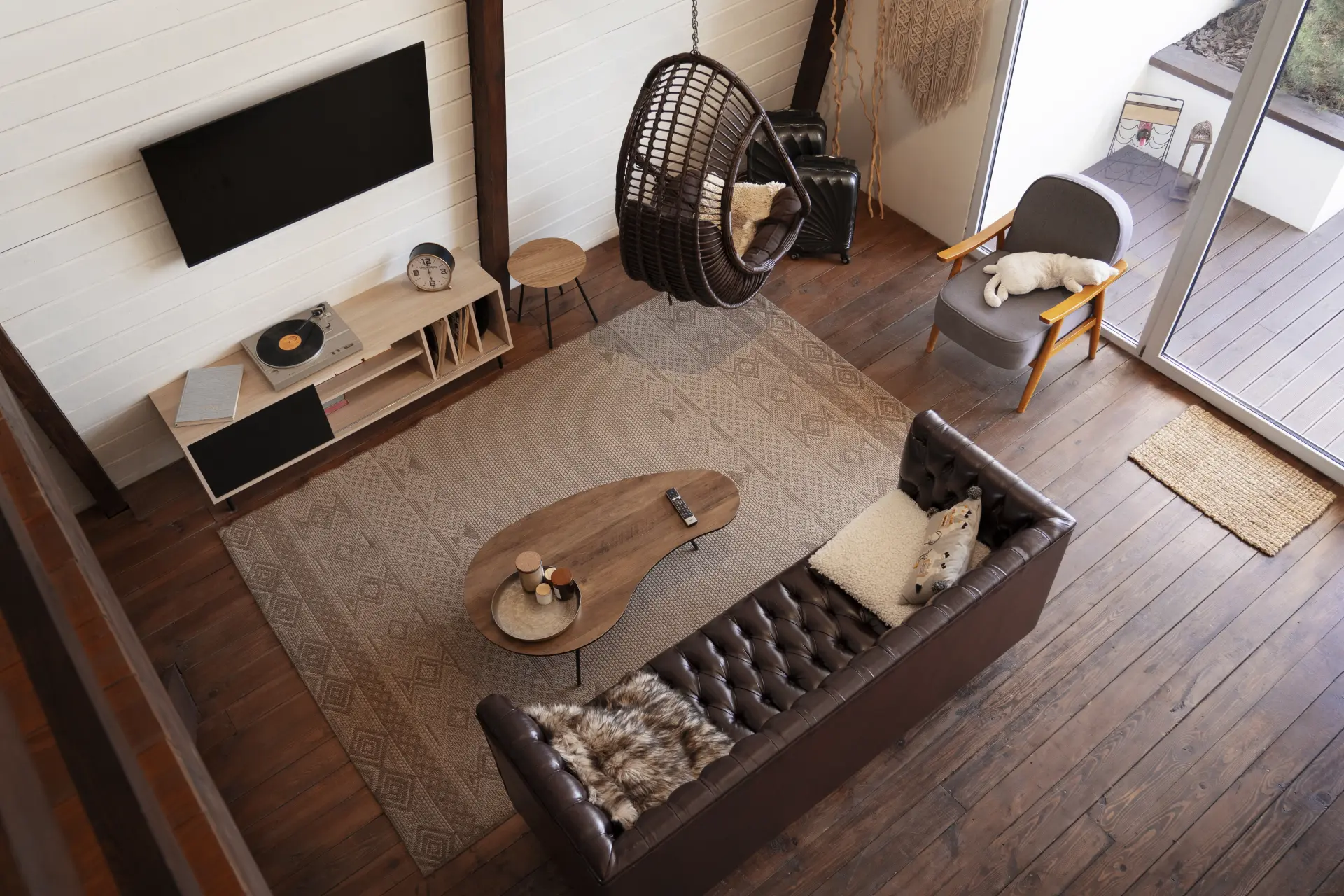
You’ll find that your floor choices will matter much more with underfloor heating. Tile and stone work very well because they conduct heat easily and spread warmth across the surface.
Timber and laminate can work too, but they need to be suitable for heated floors and fitted in a way that allows gentle movement. Thick carpets can reduce performance, so you may need to pick a carpet and underlay made for underfloor heating.
The purpose of a room can often guide the design decisions. Bathrooms and kitchens often suit underfloor heating because hard floors are common, and warm floors feel pleasant.
Bedrooms tend to work well with either system in place, though it tends to depend on whether you prefer a quick blast of immediate heat or a steady, gentle one. Living rooms often come down to layout, glazing, and how much wall space you want to keep clear.
Lifespan and Reliability
Water-based underfloor heating pipes are designed to last a long time when installed correctly. As the pipework is protected within the floor, it is not exposed to any knocks and dents in daily life. The system can be very reliable, but it relies on good installation practices, proper pressure testing, and quality components. The manifold and controls may need attention over time, even if the pipes do not.
Electric underfloor heating has fewer moving parts, which can make it dependable in many cases. However, if there is a fault, repairs can be harder because the heating elements sit beneath the floor finish. Finding and fixing a break may involve lifting tiles or flooring, which can be disruptive. Care during installation is important because damage can happen if the system is handled roughly.
Radiators are easy to maintain, and faults are usually simpler to spot. If a radiator is cold at the top or bottom, it may need bleeding, balancing, or flushing, depending on the cause. Valves can wear out, and radiators can corrode, but replacements are usually straightforward. Pipe leaks, if they happen, can be easier to access than pipes hidden beneath a finished floor.
Reliability also links to how the system is used and looked after. Underfloor heating often benefits from regular checks of the manifold, pumps, and thermostats, especially for water-based setups. Radiator systems benefit from keeping the water clean and adding an inhibitor to reduce corrosion. In both cases, good design and careful installation are what most strongly reduce problems later on.
Do you require underfloor heating installations? We offer services to both domestic and commercial customers Uppingham, Oakham, Stamford, Rutland and Leicestershire. Our charges are highly competitive and realistic.
If you are experiencing problems with your central heating, please contact us.